
Habitat Creation
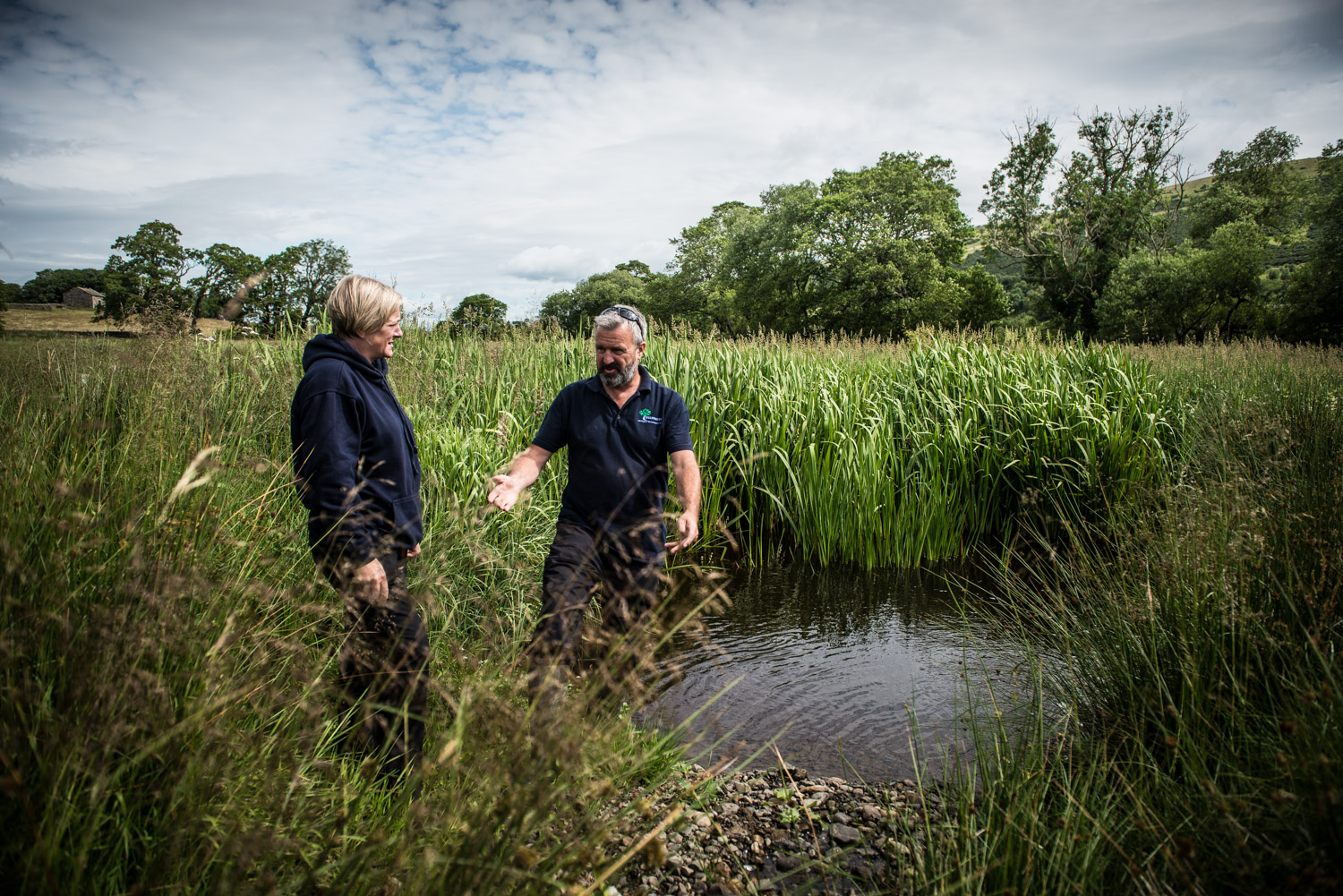
Farm landscapes teem with life—if we give nature the right conditions to flourish. Decades of changing practices have squeezed out many species, but we can bring them back through simple improvements that strengthen both wildlife and farm businesses.
We create habitat where it works hardest. Hedgerows provide wildlife corridors while sheltering livestock and marking boundaries. Ponds offer drinking water for livestock while becoming breeding grounds for amphibians and insects. Wetland scrapes can improve field drainage while creating vital habitats for wetland birds such as the Curlew and Lapwings.
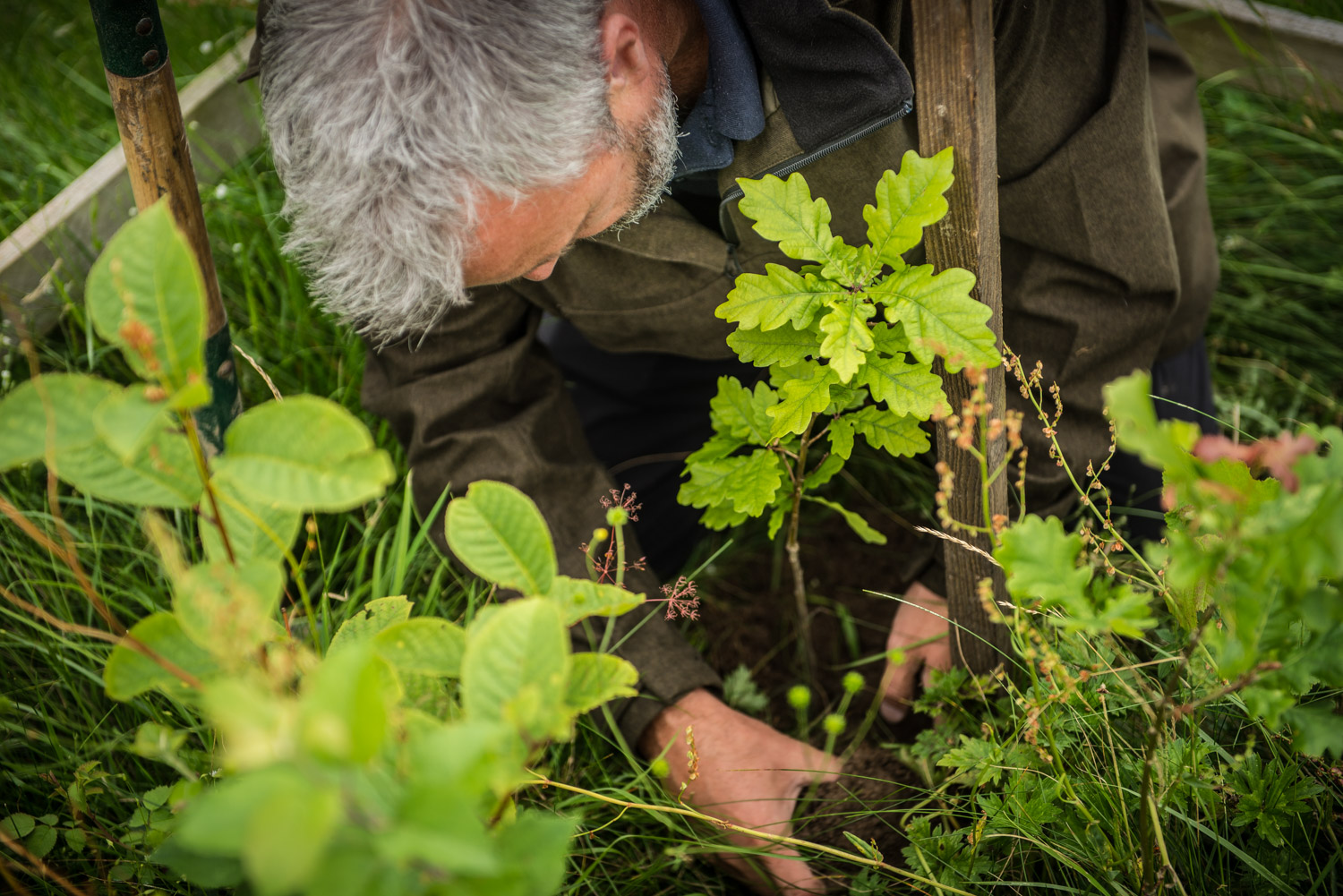
Each improvement delivers multiple returns. Wood pasture gives sheep and cattle shade while supporting everything from beetles to barn owls. Strategic tree planting improves soil health and water infiltration, while creating nest sites and food sources for wildlife.
Done right, these habitat gains require minimal sacrifice of productive land—often improving grazing quality through better shelter and drainage. Many qualify for environmental payments, turning conservation into another income stream that keeps farms viable and landscapes alive.
Case Studies
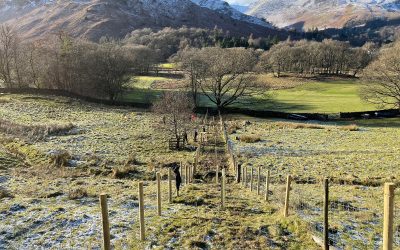
Catchment Scale, Hedgerow Planting and Wood Pasture Habitat
Multiple farm hedgerow planting and restoration of improved wood pasture habitat across the Ullswater and Matterdale area, involving 16 different farms and landowners.

Grisedale Valley Flood Resilience Project
The Grisedale Valley, a glacial U-shaped valley leading to Grisedale Tarn, faces increasing flood risks due to changing weather patterns. While popular with hikers and wild swimmers for its scenic beauty, the valley’s steep terrain and position below surrounding fells create vulnerability during heavy rainfall periods.

Ullswater Way Footpath Protection and Shoreline Restoration
The shoreline that runs from Pooley Bridge is part of the 22 mile Ullswater Way loop and is one of the highest traffic lakeside walks in our valley, as well as an essential footpath for access to holiday parks and campsites along the route.